Python is a general-purpose programming language for standalone applications. Examples include web applications, data processing and programs with their own user interface. The Python Software Foundation describes these application areas. Within Grassroot IT, this approach makes departmental knowledge available for solutions that operate independently of an office file or a particular visual platform.
Turn specialist knowledge into an application
Artificial intelligence (AI) can help describe requirements, generate a program draft, explain it and revise it. This can make development more accessible to people with limited programming experience. Sustained use still requires sufficient understanding, business testing and clear operational arrangements. The article on development with AI explains this approach.
Choose a programming language according to the need. An existing solution using Microsoft Excel, Microsoft Access, low-code or no-code may also fit. The task, available skills and ability to maintain the application determine the choice. Python is one example of a general-purpose, code-based development approach within the framework.
Example: record, check and approve requests
A business department might need a small web application in which employees submit requests and assigned reviewers process them. Business rules define mandatory information, permitted status changes and approval conditions. Data storage holds the information and processing status, while a user interface makes the required steps accessible.
The first draft handles a limited process using suitable sample data. Then test incomplete information, duplicate submission and an approval attempted without permission. Consider simultaneous edits and an interrupted save too. These cases show whether the business rules actually work as intended.
Bring the draft into professional operation
A usable application includes its code, required Python runtime, additional libraries, configuration and data. Document prerequisites and approved versions. Separate virtual environments help keep packages for different applications apart; the Python documentation explains this approach. Record required versions as well so installation can be reproduced.
Before introduction, establish ownership and deputies, permissions, backup and recovery and incident handling. Test changes against business expectations and introduce them as identifiable new versions. Lifecycle management covers the initial need, later improvements and eventual replacement.
AI during development and during operation
A Python program developed with AI assistance can later execute defined rules without calling an AI service itself. If the finished application also uses AI to analyse or generate content, assess those features separately. Relevant considerations include result suitability, permitted data, cost and handling an unavailable connection.
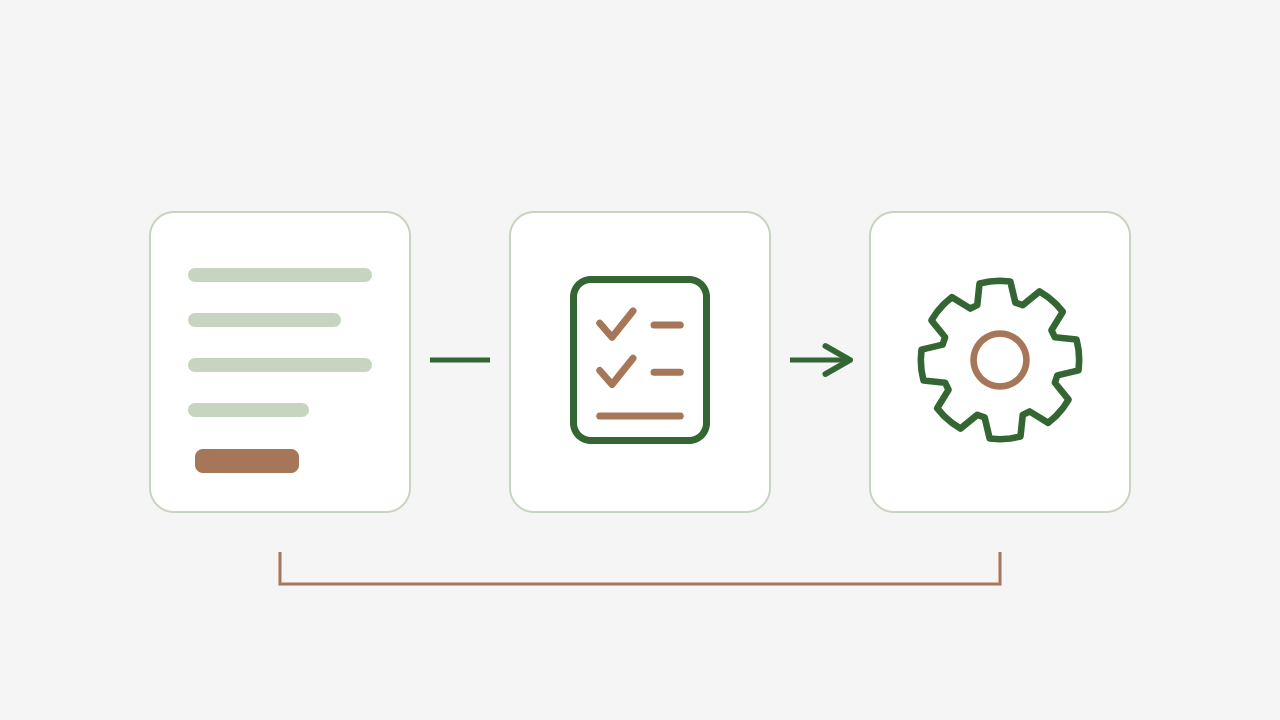
Begin with the application profile: what task should the solution perform, who uses it and who is responsible? Progress from a limited draft through testing and approval to reliable operation.